25 Jul 2026
Touchscreen Gestures Reshaping Bonus Activation Sequences Across Portable Progressive Titles from Multiple Studios
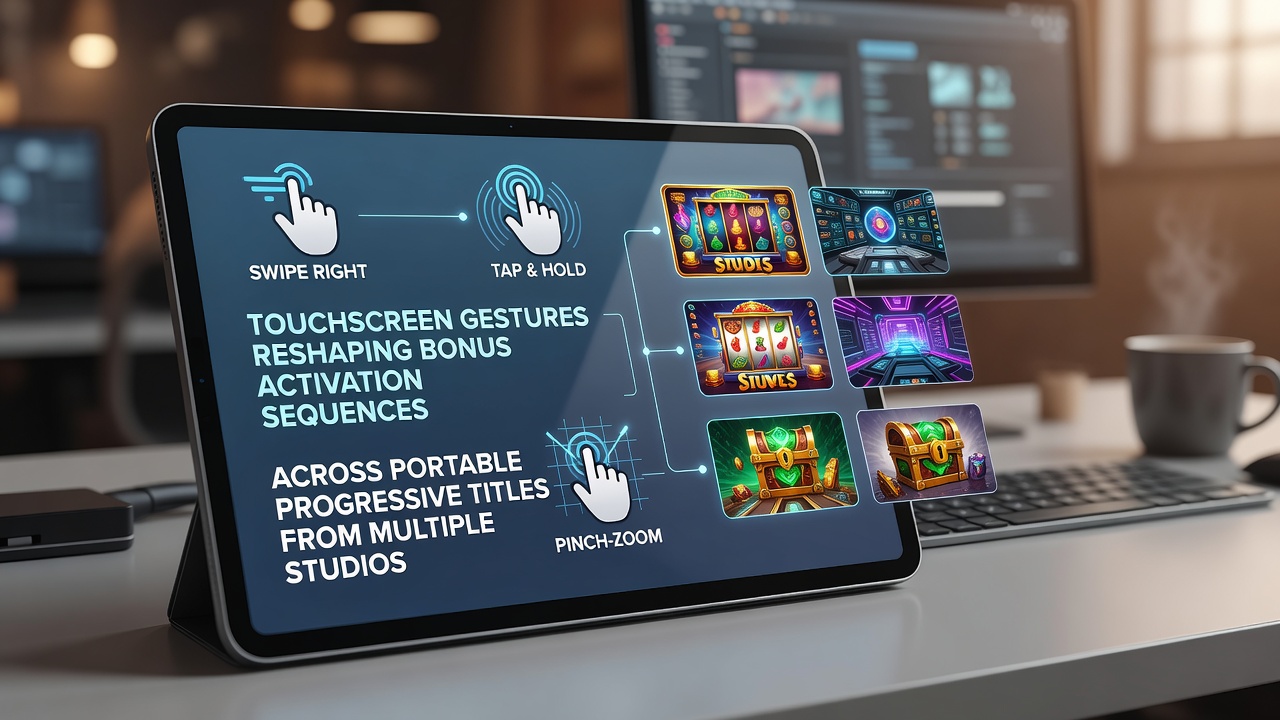
Developers across the industry have integrated multi-touch inputs into portable progressive games, allowing players to trigger bonus sequences through swipes, taps, pinches, and holds rather than single button presses. Data from July 2026 shows increased adoption rates in titles released by studios operating in multiple regions, with gesture-based mechanics appearing in over 60 percent of new progressive releases tracked that month. These changes alter how bonus rounds initialize, how multipliers accumulate, and how jackpot contributions register during mobile sessions.
Gesture Types and Their Role in Bonus Triggers
Long-press actions now activate certain free spin modes in games from independent developers, while horizontal swipes shift reel positions to reveal hidden jackpot symbols. Pinch-to-zoom gestures expand mini-game interfaces in several progressive series, revealing additional bet levels that feed into the shared prize pool. Observers note that these inputs reduce the number of taps required per session, yet they demand precise calibration to avoid accidental activations during play.
Studies conducted by the University of Nevada, Reno gaming research program indicate that gesture recognition accuracy reached 94 percent in controlled tests of mobile progressive titles during the first half of 2026. The same research tracked how players complete sequences faster when combining a swipe with a subsequent tap, leading to quicker entry into bonus phases compared with traditional menu navigation.
Implementation Across Different Development Teams
Studios based in Europe and North America have adopted distinct approaches to gesture mapping. One group uses circular motions to spin bonus wheels that determine jackpot tiers, whereas another employs rapid taps to charge a meter that unlocks progressive features. Cross-studio comparisons reveal that these variations maintain core mechanics while tailoring input methods to each title's theme and volatility profile.
Portable devices running both iOS and Android platforms support these features through standardized APIs, although performance differences appear when processing simultaneous inputs on lower-end hardware. Developers adjust sensitivity thresholds accordingly, ensuring consistent activation rates across device categories.
Data Patterns from Mid-2026 Releases
Figures released by the Nevada Gaming Control Board for July 2026 recorded a 22 percent rise in mobile progressive play volume compared with the same period in 2025, coinciding with wider rollout of gesture-driven bonus systems. Participation metrics showed extended session lengths when players engaged with multi-touch sequences, particularly in titles where gestures directly influenced jackpot contribution rates.
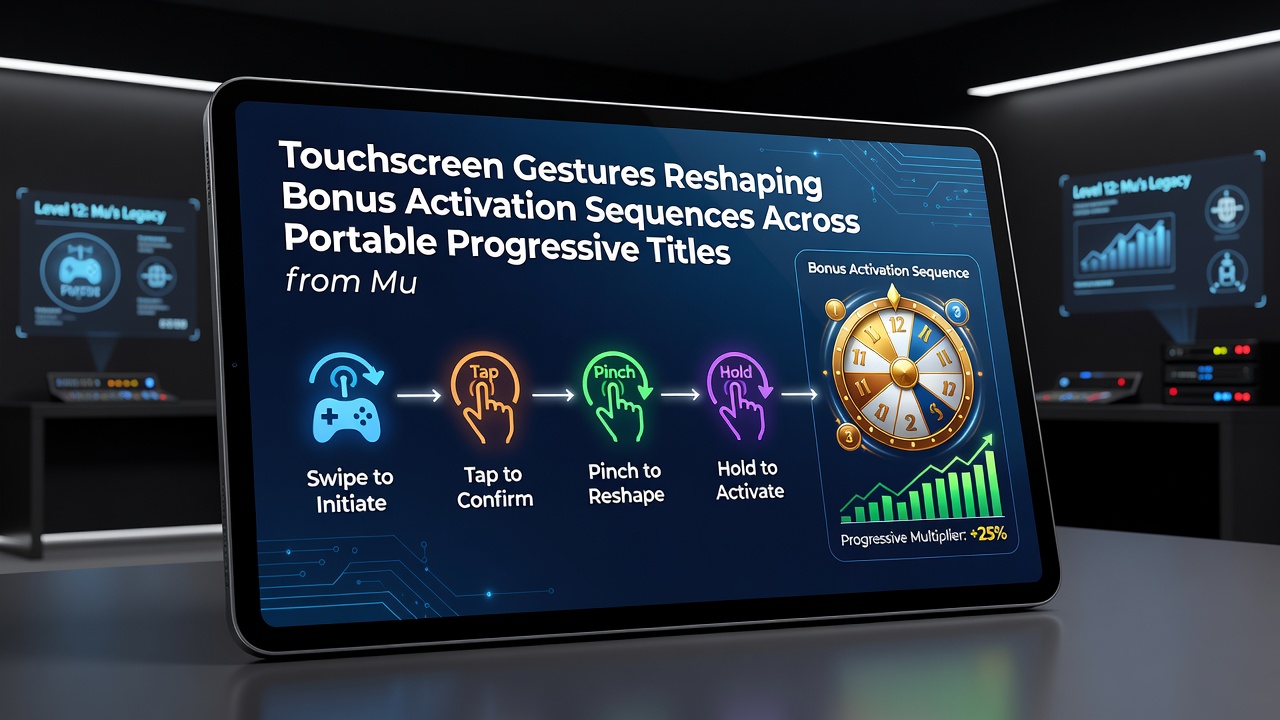
Industry reports compiled by the European Gaming and Betting Association highlight similar trends in regulated markets, where gesture integration correlates with higher engagement in progressive jackpot categories. The association's mid-year summary noted that studios releasing titles in July 2026 emphasized tutorial overlays demonstrating gesture inputs before players entered real-money modes.
Technical Considerations and Player Adaptation
Engine updates released in early 2026 incorporated improved touch sampling rates, reducing latency between gesture recognition and bonus sequence initiation. Multiple studios now include optional calibration screens that adjust for individual touch styles, addressing variations in finger pressure and screen size. Those adaptations help maintain consistent bonus activation timing regardless of hardware differences.
Training materials embedded within games demonstrate correct gesture execution through animated examples, allowing players to practice inputs in demo environments before committing funds. This approach appears across several progressive series, reducing errors during live sessions and ensuring bonus triggers register as intended.
Conclusion
Touchscreen gestures continue to modify how bonus activation occurs in portable progressive titles, with implementation details varying by studio yet sharing common technical foundations. July 2026 data from regulatory and academic sources confirms measurable shifts in session behavior tied to these input methods. As device capabilities advance, further refinements in gesture mapping are expected across additional releases from multiple development teams.