23 May 2026
Symbol Clusters and Timed Triggers: Mechanics in Modern Mobile Gaming Ecosystems
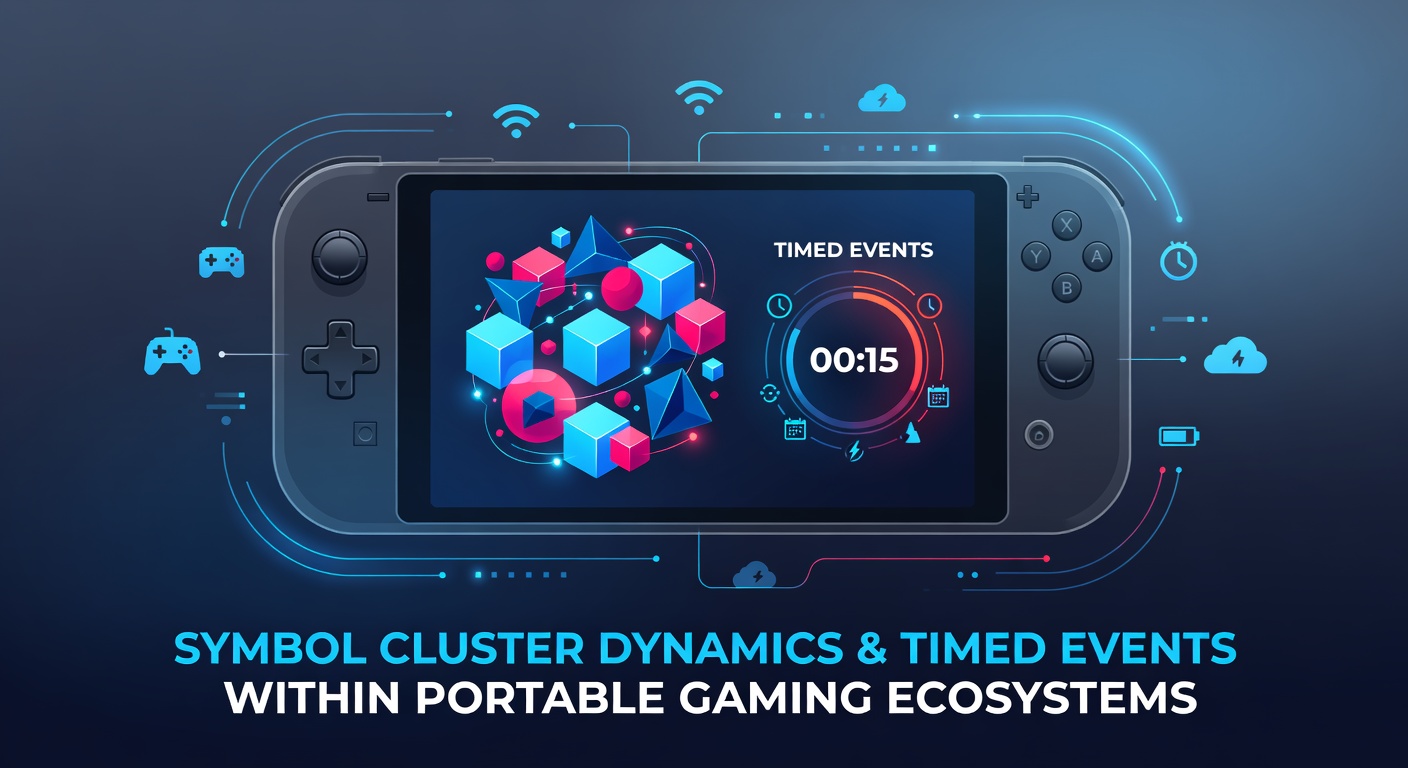
Symbol cluster dynamics operate through grouped symbol formations that replace traditional payline structures in many mobile gaming titles, where matching symbols must occupy adjacent positions rather than fixed lines to generate outcomes. Timed events layer chronological constraints onto these systems, activating during specific windows that developers schedule across portable platforms. Observers note that this combination creates layered reward pathways where cluster explosions can coincide with time-sensitive multipliers or jackpot activations, altering how gameplay progresses on handheld devices.
Mechanics of Symbol Cluster Formations
Cluster pays emerged as developers shifted away from linear arrangements toward grid-based evaluations that count groups of identical symbols touching horizontally or vertically, and this approach expanded rapidly once mobile screens allowed for larger reel arrays without compromising touch controls. Data from industry reports indicates that cluster sizes typically range from five to fifteen symbols depending on the grid dimensions, while removal animations clear matched groups and allow symbols above to cascade downward, filling gaps and potentially chaining additional clusters within the same spin sequence. Researchers at institutions focused on digital entertainment have documented how these cascading sequences increase the number of evaluations per spin cycle compared with static reel stops, creating denser outcome distributions across sessions played on smartphones and tablets.
Portable gaming ecosystems further adapt cluster logic through variable grid expansions that trigger during bonus phases, expanding the playable area temporarily and thereby raising the theoretical maximum cluster size achievable in a single evaluation. Those who have examined code structures across multiple providers find that random number generators allocate equal probability weightings to each symbol position, yet the adjacency requirement introduces geometric constraints that influence hit frequency in measurable ways.
Integration of Timed Events with Cluster Systems
Timed events introduce calendar-based or session-duration triggers that overlay cluster mechanics, such as progressive accumulators that advance only during designated hourly or daily windows. In mobile environments these timers sync with device clocks and server-side timestamps, ensuring that players who initiate spins within the active period can access enhanced cluster multipliers or exclusive symbol sets unavailable outside the window. Figures released by gaming analytics firms reveal that participation rates in timed cluster events often peak during evening hours across multiple time zones, reflecting patterns in user engagement data collected from global server logs.
Interaction Patterns Between Clusters and Time Windows
When a timed event activates, the underlying cluster rules may receive temporary modifications including increased symbol substitution rates or added wild elements that facilitate larger groupings. This synchronization produces measurable spikes in outcome variance because the probability of forming oversized clusters rises while the event window remains open. Australian regulatory documentation from the past year shows that operators must publish clear schedules for these timed features so users can anticipate availability without ambiguity, and similar transparency requirements appear in frameworks used by Canadian provincial oversight bodies.
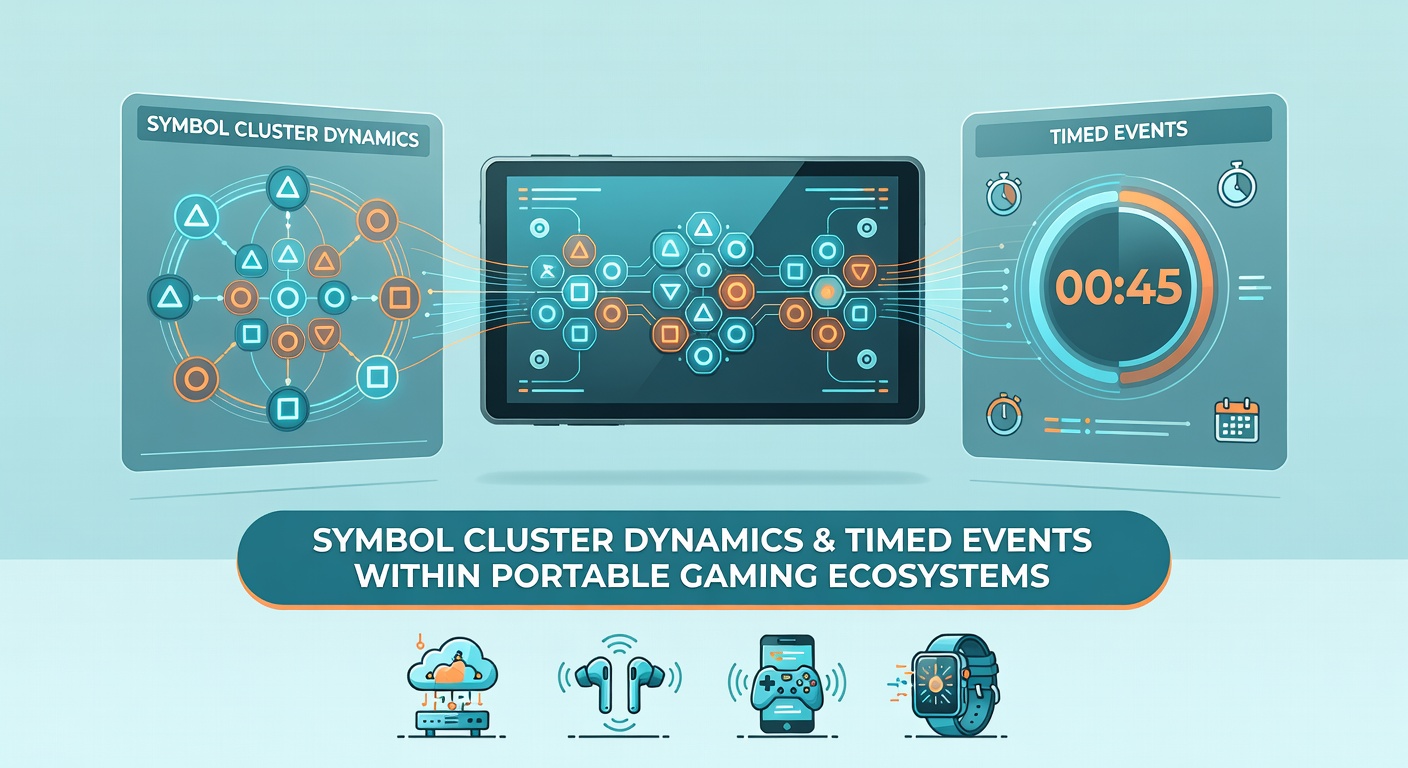
One documented case involved a provider adjusting cluster removal thresholds during a weekend timed promotion, resulting in extended cascade chains that carried over from base play into the event phase. Such adjustments require precise backend calibration because mobile network latency can affect how quickly successive cascades register on player devices.
Technical Considerations in Portable Environments
Mobile hardware introduces additional variables including variable screen resolutions and intermittent connectivity that influence how cluster animations render and how timed events count down accurately. Developers compensate through client-side prediction algorithms that pre-load animation sequences while confirming outcomes via server validation, reducing perceived delays during rapid cluster explosions. Studies conducted by the International Gaming Institute have examined latency tolerances and found that sub-200 millisecond response times maintain the intended pacing of timed cluster features across common cellular and Wi-Fi conditions.
Battery optimization also factors into design choices because continuous cascade loops and countdown timers consume processing resources. Engineers therefore implement adaptive frame rates that lower during non-event periods and increase only when clusters or timed bonuses activate, preserving device performance over extended play sessions.
Current Landscape in May 2026
As of May 2026 regulatory updates in several jurisdictions have begun requiring standardized disclosure formats for timed cluster events so players receive advance notice of activation schedules through in-app notifications. Industry associations tracking adoption rates report steady growth in titles that combine cluster pays with synchronized timers, particularly on platforms optimized for both iOS and Android ecosystems. Cross-border data sharing agreements now facilitate consistent reporting of how these mechanics perform under real-world usage conditions, allowing providers to refine probability models without regional discrepancies.
Conclusion
Symbol cluster dynamics paired with timed events form an integrated framework that governs outcome generation and player progression within portable gaming systems, with technical implementations shaped by hardware constraints and regulatory expectations. Continued examination of these mechanics through performance metrics and compliance documentation provides ongoing insight into how mobile platforms evolve their reward structures.