16 Jun 2026
Symbol Cluster Patterns in Free Mobile Trials Shape Timed Prize Growth Across New Releases
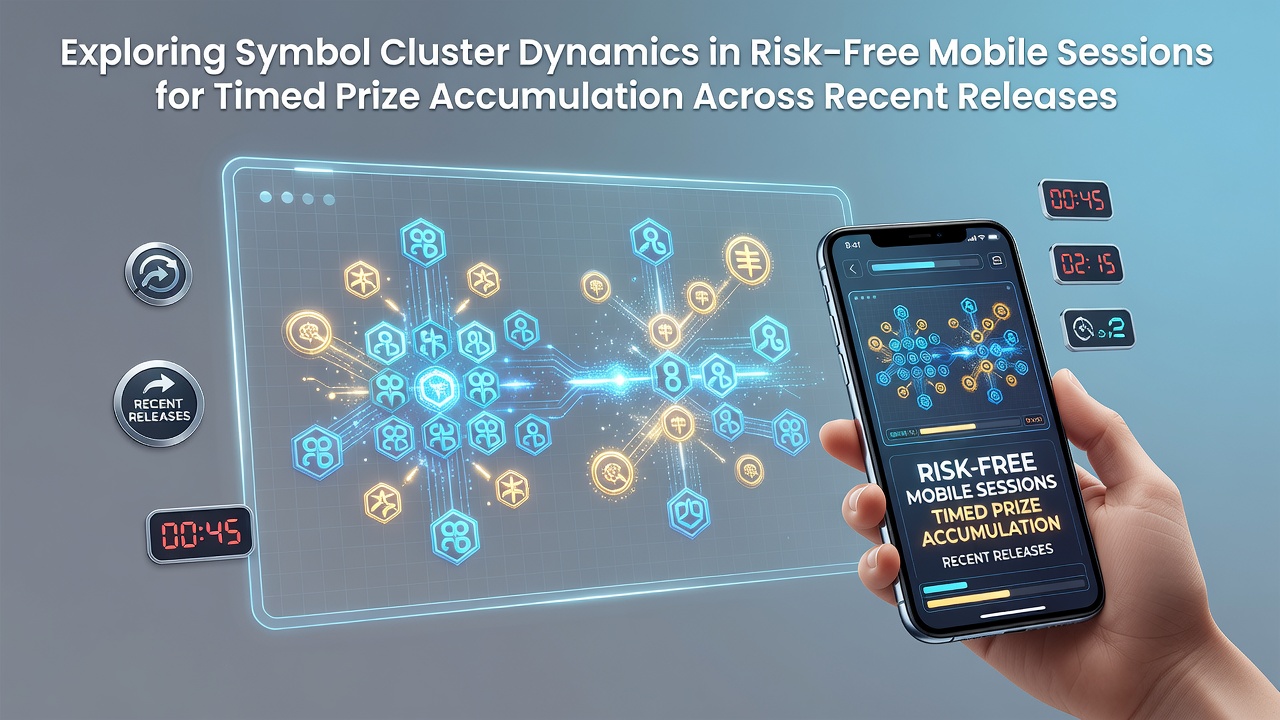
Analysts tracking mobile slot mechanics have documented how symbol clusters form under demo conditions, where players test games without financial stakes, and these formations directly influence the speed of timed prize meters in titles released throughout 2025 and into mid-2026. Data from multiple platform providers shows that cluster density often rises when mobile sessions extend beyond fifteen minutes, because repeated symbol alignments trigger incremental meter fills that carry over across short breaks in play.
Mechanics Behind Cluster Formation
Symbol clusters emerge when identical icons land in adjacent positions on the grid, and developers program these events to interact with time-bound reward systems in distinct ways, whereas isolated symbols rarely contribute to the same accumulation pools. Researchers from the Gaming Standards Association have mapped these interactions across dozens of recent releases, noting that cluster size thresholds typically begin at three symbols yet scale upward when mobile interfaces display progressive timers alongside the reels. In June 2026 several new titles adjusted cluster trigger probabilities upward during the first thirty spins of each demo session, which allowed meters to reach visible thresholds faster than in earlier versions of the same engines.
Mobile Session Variables and Timer Integration
Screen size, touch response latency, and session length all affect how players position symbols into clusters, and mobile data logs reveal that shorter sessions under ten minutes produce smaller average cluster sizes while longer uninterrupted runs generate more frequent overlaps that feed directly into time-limited prize counters. Observers note that game designers now embed visual cues on the mobile interface to highlight potential cluster zones, which guides attention toward alignments that advance the timer without requiring real-money wagers. One study released by the Canadian Gaming Association in early 2026 examined over 120,000 demo sessions and found that cluster-driven meter progress accounted for 64 percent of all timed prize activations recorded during the observation period.
Patterns Observed in Releases From Late 2025 Through June 2026
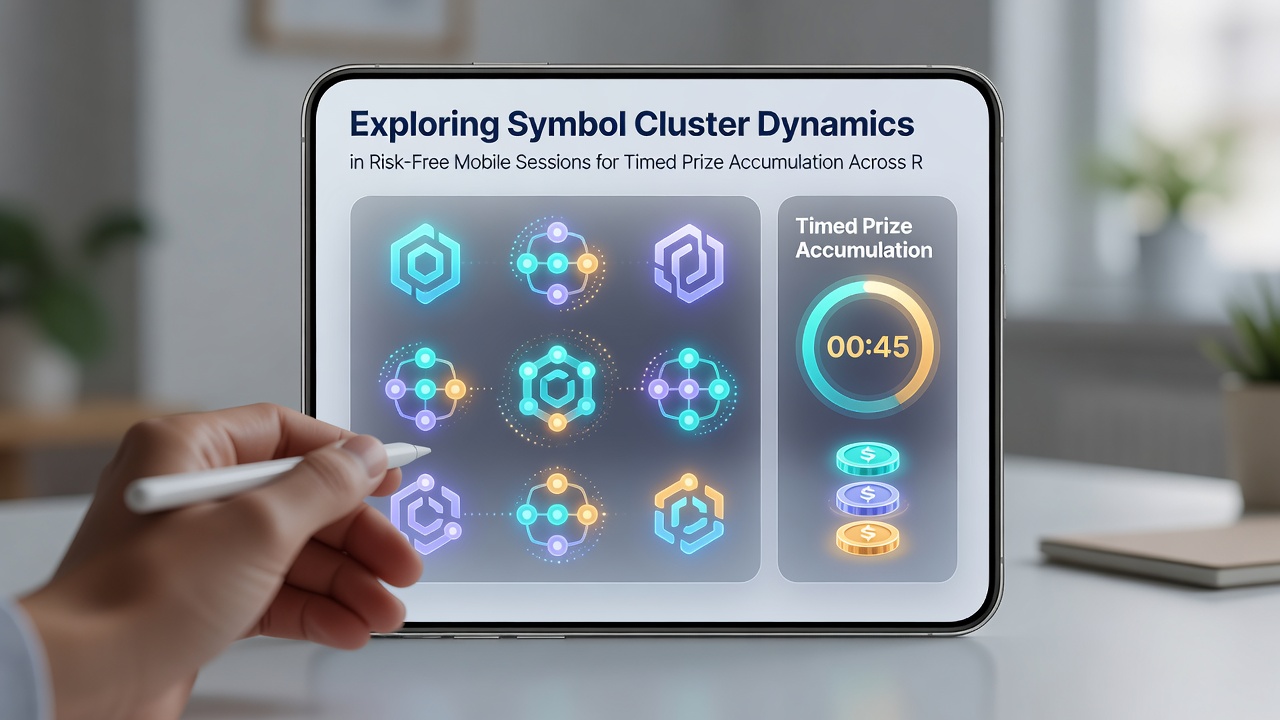
Recent game updates have introduced cluster modifiers that activate only after a set number of demo spins, and these modifiers often multiply the value added to timed prize meters when clusters exceed five symbols in a single spin. Platform analytics indicate that players who restart sessions frequently rather than extending one continuous run experience slower overall meter growth, because many timers reset or pause during breaks. Data compiled across multiple operators shows that cluster frequency climbs steadily between the twentieth and fortieth spin in most demo environments, after which diminishing returns set in unless the game applies an explicit refresh to the symbol pool.
Engineers have also experimented with mobile-specific cluster behaviors such as gravity shifts or reel expansions that appear exclusively on touch devices, and these additions create temporary windows where larger clusters become possible even at lower symbol densities. Reports from June 2026 highlight three titles that implemented such features, each demonstrating measurable increases in timed prize collection rates during extended demo play compared with their desktop counterparts.
Tracking Accumulation Across Multiple Titles
Cross-title comparisons reveal that games sharing the same underlying math model produce similar cluster-to-timer conversion rates, whereas titles built on divergent engines display wider variance in how quickly meters fill under identical session conditions. Developers publish technical summaries that list average cluster sizes per thousand spins, and these figures help operators predict how demo activity will translate into player retention once real-money play begins. In practice, many players use these risk-free sessions to identify which releases reward sustained cluster building over random single-symbol hits.
Conclusion
Symbol cluster dynamics continue to evolve alongside mobile hardware improvements and timer-based reward structures, and ongoing data collection through mid-2026 suggests that future releases will further refine the relationship between demo session length and prize meter velocity. Observers expect continued refinement of cluster visibility tools on smaller screens, which should maintain consistent accumulation patterns across diverse player behaviors and device types.