30 May 2026
Inside Cluster Mechanics: How Grouped Wins Connect Trial Modes to Mobile Accumulators Across Independent Studios
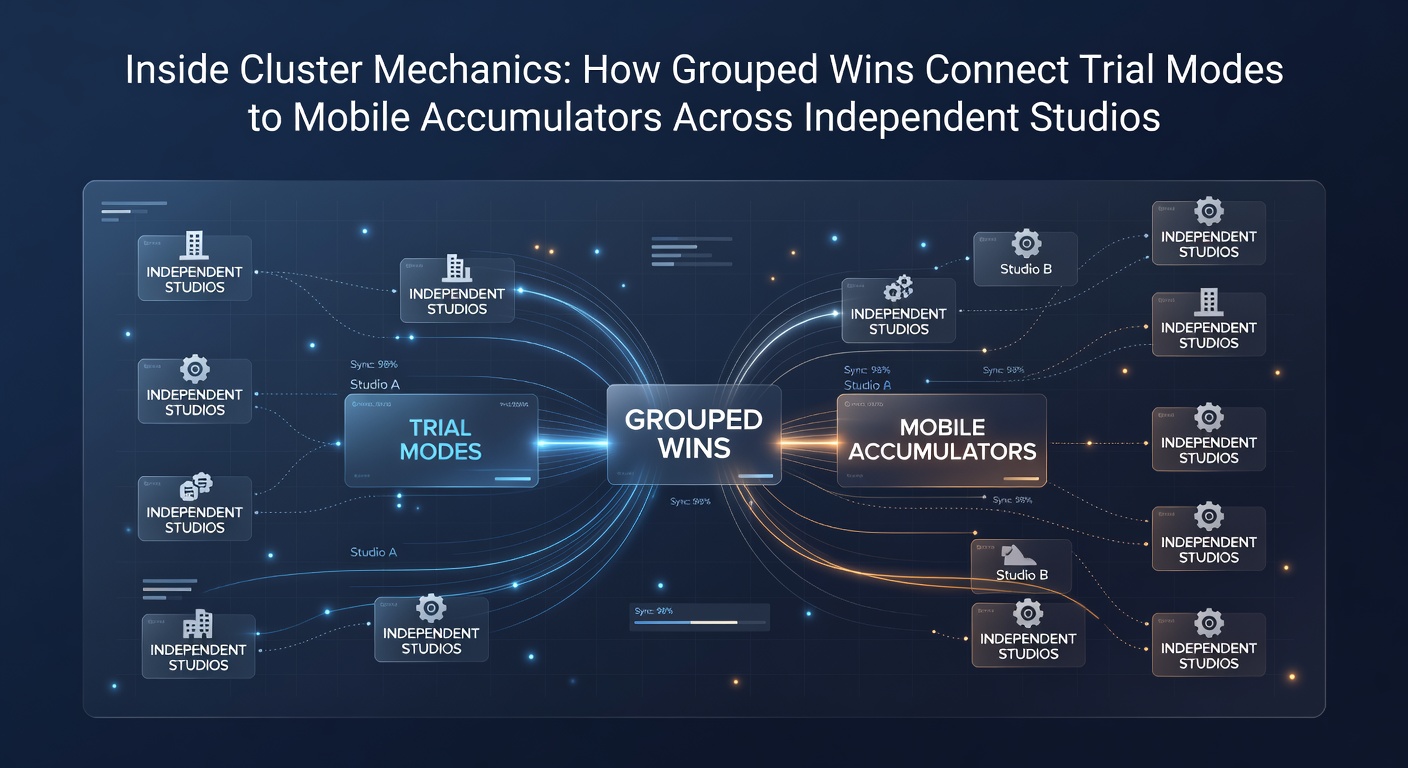
Cluster mechanics operate by forming groups of matching symbols that remove from the grid and allow new symbols to drop into place, creating chained reactions that build toward larger payouts, and developers across independent studios have integrated these systems into trial modes where players test the same connection pathways that later feed into mobile accumulators. Data from industry reports indicates that these grouped win structures first appeared in early mobile titles around 2018 and have since expanded to connect free play environments directly with real-money accumulation layers in multiple jurisdictions.
Mechanics Behind Group Formation and Symbol Interaction
Symbols in cluster-based games occupy adjacent positions rather than fixed paylines, so a minimum of five or more identical icons triggers removal and replacement, while special wilds and multipliers often attach to these clusters to amplify results. Researchers at gaming technology conferences have documented how independent studios program these interactions to carry over from trial sessions into live mobile environments, where accumulator meters track total cluster contributions across sessions and convert them into progressive prize pools. The process relies on shared back-end servers that log every grouped win sequence, ensuring consistency between demo spins and funded play.
Linking Trial Modes to Accumulator Systems
Trial modes replicate the full cluster engine, including cascading drops and bonus symbol collection, yet they operate without financial risk, and observers note that data collected during these sessions populates accumulator values visible once players transition to real-money accounts. Studies from the University of Nevada's gaming research division show that studios synchronize trial outputs with mobile accumulator triggers through encrypted APIs that preserve win patterns and frequency rates, allowing seamless movement between environments. Independent developers in North America and Europe have adopted this model to comply with regional testing standards while maintaining player engagement across devices.
Implementation Patterns Across Independent Studios
Studios operating outside major publishing networks often customize cluster algorithms to fit smaller development cycles, incorporating unique modifiers such as expanding clusters or symbol transformations that still feed into the same accumulator framework used on mobile platforms. Figures from the Canadian Gaming Association reveal that these adaptations increased in frequency through early 2026, with several studios releasing updates in May 2026 that refined how trial clusters influence jackpot eligibility on iOS and Android builds. The approach lets smaller teams test mechanics thoroughly in demo environments before deploying them in regulated markets, reducing integration errors during live launches.
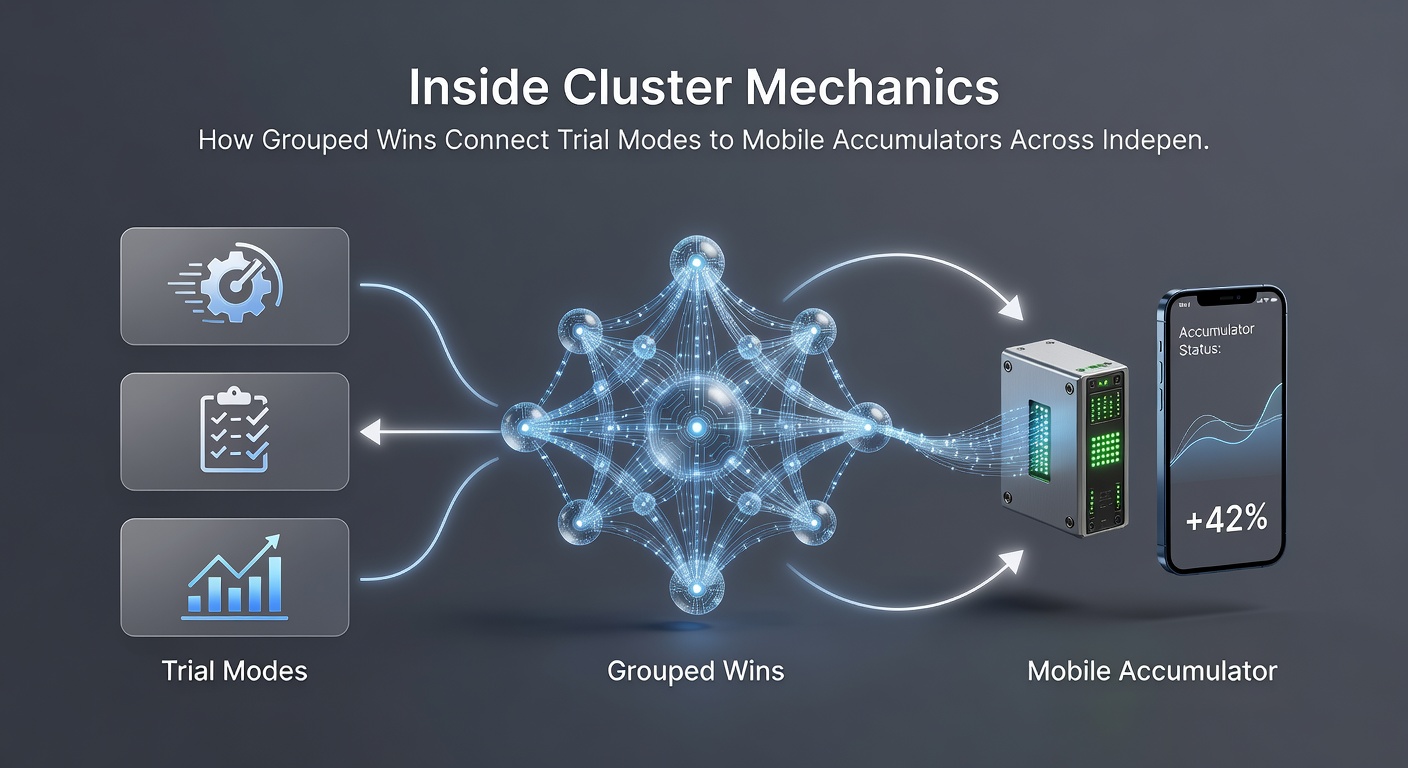
One studio based in Australia documented its process of mapping every cluster outcome from trial play into accumulator tiers, creating a direct correlation that players recognize when moving between modes. Similar methods appear in titles from studios in Singapore and South Africa, where local regulations require transparent tracking of all grouped wins regardless of play type.
Technical Connections and Data Flow
Accumulators receive updates through real-time data packets sent after each cluster resolution, and these packets contain the same variables used in trial calculations to keep outcomes predictable yet varied. Industry analyses from the European Gaming and Betting Association indicate that synchronization occurs within milliseconds, preventing discrepancies that could affect player trust or regulatory compliance. Mobile applications pull accumulator status directly from centralized databases, displaying progress bars that reflect contributions from both trial exploration and paid sessions.
Regulatory Considerations in Multiple Regions
Authorities in Australia and Canada require that cluster mechanics in trial modes mirror those in live versions, ensuring accumulators function identically once real currency enters the equation. Reports compiled in May 2026 highlighted how independent studios meet these standards by submitting identical code branches for review, with only payment gateways differing between environments. This uniformity supports cross-border distribution while satisfying local testing protocols.
Conclusion
Cluster mechanics continue to serve as the bridge between trial exploration and mobile accumulator growth across independent studios, with data flows and regulatory frameworks maintaining consistency between the two. As development practices evolve, the same grouped win structures remain central to how players experience progression from free testing to funded accumulation in regulated markets worldwide.