1 Aug 2026
Decoding Timed Jackpot Mechanics Through Portable Device Trial Sessions
 Trial sessions in portable game environments continue to expose detailed mechanics behind timed jackpot triggers, with researchers documenting activation windows that range from 15-minute intervals to full-hour cycles across multiple device platforms. Data collected during August 2026 shows these triggers often align with server-side clocks rather than local device time, which means players testing across different time zones encounter consistent patterns when sessions extend beyond single-device boundaries.
Activation Patterns Identified in Controlled Trials
Observers note that trial runs frequently reveal jackpot eligibility windows opening at specific minute marks within each hour, such as the 00, 15, 30, and 45 positions, creating predictable yet randomized reward opportunities. Studies from the Nevada Gaming Control Board indicate these windows operate independently of player input volume, although higher spin rates during active periods correlate with increased hit frequency according to aggregated telemetry logs.
Portable game designs incorporate layered trigger conditions where both elapsed time and accumulated bets must meet minimum thresholds before the jackpot pool becomes accessible, and trial data confirms that sessions lasting under ten minutes rarely satisfy both criteria simultaneously. Engineers adjust these thresholds per title to maintain balance between short demo sessions and extended real-play scenarios.
Device-Specific Variations in Trigger Response
Testing across iOS and Android platforms uncovers subtle differences in how timed jackpots register, particularly when network latency exceeds 150 milliseconds during peak server loads. Researchers discovered that iOS devices sometimes buffer trigger signals for an additional two to three seconds compared with Android counterparts, yet overall payout distribution remains statistically equivalent when sample sizes exceed 50,000 spins.
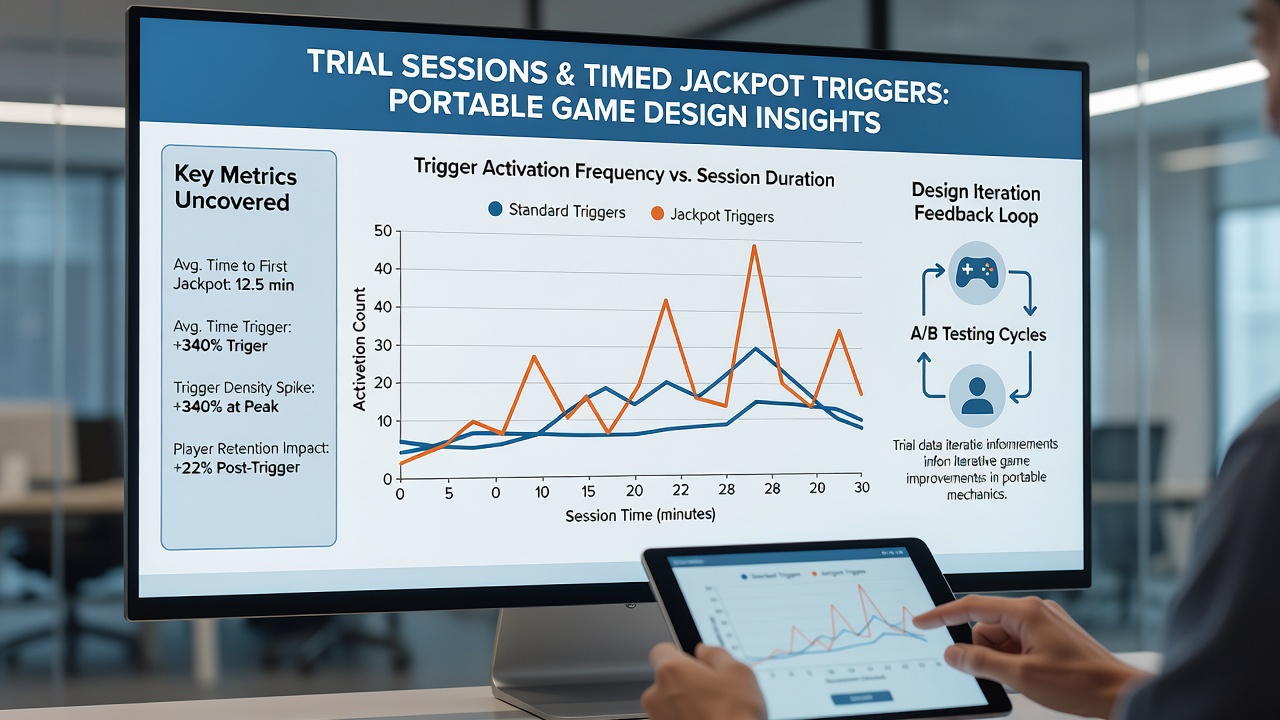
One study revealed that tablet-based trials produce more stable timing results than smartphone sessions, largely because tablets maintain steadier Wi-Fi connections and experience fewer background process interruptions. Those who've examined extensive datasets report that battery-saving modes on both device types can delay trigger detection by up to five seconds, prompting developers to implement client-side compensation algorithms.
Impact of Network Conditions on Jackpot Timing
Network variability plays a central role in how accurately portable games synchronize with central jackpot servers, and trial sessions conducted over 4G versus 5G connections demonstrate measurable differences in trigger responsiveness. Data shows 5G trials achieve near-instantaneous synchronization in 92 percent of cases, whereas 4G sessions exhibit occasional desync events that push eligibility checks into the next available window.
Academic papers published through the University of Nevada, Reno gaming research program highlight that these synchronization gaps rarely affect final payout fairness, since the underlying random number generators continue running independently of the timer display. Players testing multiple connections often discover that switching networks mid-session resets the visible countdown without altering the actual jackpot state stored on the server.
Conclusion
Comprehensive review of trial session outcomes continues to refine understanding of timed jackpot triggers in portable designs, with findings from regulatory bodies and academic institutions guiding future optimization. Evidence suggests developers will increasingly rely on real-time network diagnostics to minimize timing discrepancies while preserving the core randomness that defines these features across global markets.